There are 10 million people in the UK living with arthritis, according to charity Versus Arthritis. Although older people are most prone to arthritis, it can affect people of any age, including children. Anyone with pain in or around a joint that doesn’t get better after a few days, especially if there’s no obvious cause, should consult their GP.
“While there are many causes of pain, experiencing pain, swelling and stiffness in one or multiple joints, which is partic...
There are 10 million people in the UK living with arthritis, according to charity Versus Arthritis. Although older people are most prone to arthritis, it can affect people of any age, including children. Anyone with pain in or around a joint that doesn’t get better after a few days, especially if there’s no obvious cause, should consult their GP.
“While there are many causes of pain, experiencing pain, swelling and stiffness in one or multiple joints, which is particularly bad in a morning, would be an indicator that arthritis is the source,” says Kenny Chan, Numark lead information pharmacist. “Another major differentiator between arthritis and pain caused by an injury, for example, is that arthritis will get better with movement and worse with a lack of activity.”
Osteoarthritis, the most common form of arthritis, is usually associated with wear and tear. It’s more common in women, especially those over 45. Osteoarthritis pain may be managed with OTC analgesics, alongside exercise and physiotherapy. “Over-the-counter medicines can certainly contribute towards the relief of symptoms from osteoarthritis,” adds Kenny. “Pharmacists are well placed to recommend painkillers such as ibuprofen or paracetamol. Ibuprofen has an anti-inflammatory action as well as analgesic action, so may be more beneficial in relieving joint pain. However, it needs to be taken with caution by patients on warfarin (as it can increase the risk of bleeding), those with asthma who have never taken it before, or those with gastrointestinal disease. In some cases, co-codamol could be considered, but OTC usage must be limited to three days, and it has more associated adverse reactions, such as constipation.”
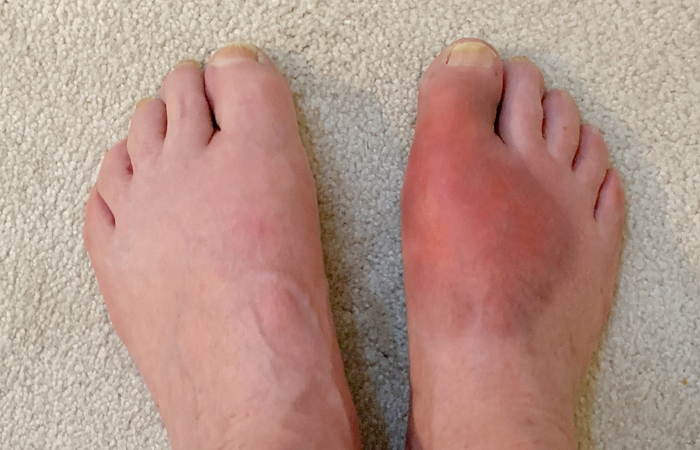
Rheumatoid arthritis, a form of inflammatory arthritis, is an auto-immune condition that can cause sore, stiff and swollen joints. “Swelling, increased pain, decreased mobility and persistent stiffness, increased temperature or redness all indicate an active arthritis flare,” says Dr Deepak Ravindran, consultant in pain and pain management and author of ‘The Pain-Free Mindset’. “OTC oral and topical pain relief products are very useful in an active flare as these can provide a reduction in pain and swelling and distraction.”
Lifestyle measures are important in the management of arthritis too. “I usually recommend regular gentle exercise and stretching to maintain flexibility and strengthen muscles around joints,” says Dr Rod Hughes, consultant rheumatologist in Surrey. “This is alongside a healthy balanced diet, which helps to keep your weight in check, reducing the strain on load-bearing joints such as knees and hips. In addition, adding an anti-inflammatory supplement may be of great help, as all osteoarthritis has a degree of associated inflammation.”